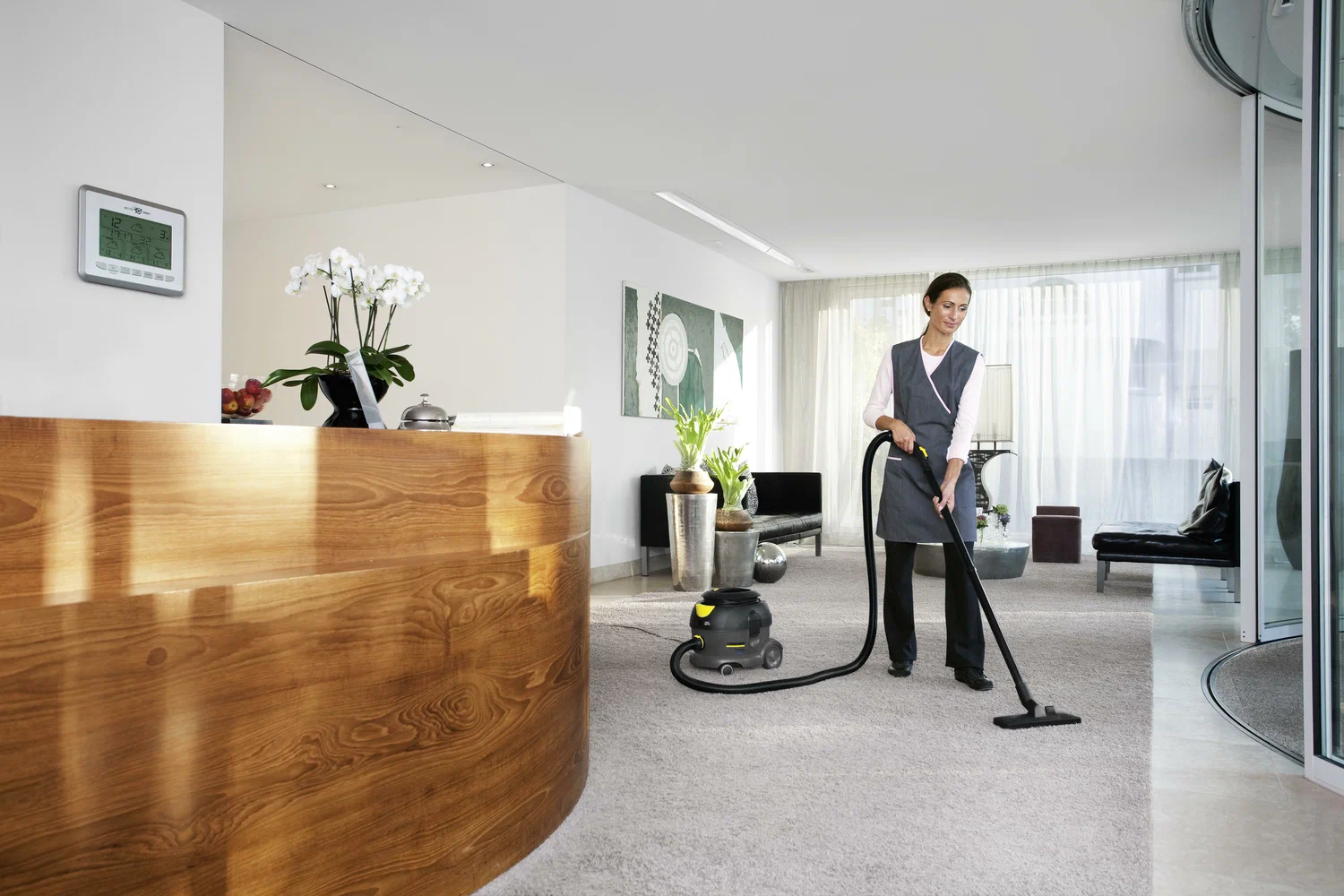
The moment a guest enters a space, an unspoken evaluation begins. Cleanliness is paramount. It’s not just visible tidiness; it’s subtle cues signaling care and respect. A pristine environment instantly communicates excellence, fostering ease and a positive experience.
Conversely, minor imperfections disrupt this balance. A faint smudge, a forgotten item, or an unidentifiable odor triggers immediate unease. These details are amplified, leading to questions about overall quality. This psychological impact erodes trust, hindering genuine enjoyment, regardless of other amenities.
The challenge extends beyond tidiness. It involves understanding the deep psychological connection between a clean environment and guest satisfaction. Guests interpret a space's cleanliness as a direct reflection of values and regard for their well-being. A neglected area implies a lack of attention, diminishing perceived value.
This perception influences guest behavior, from recommendations to return visits. A truly spotless space doesn't just look good; it feels good, creating calm and reassurance. When guests feel comfortable and cared for, positive emotions link to the environment, forging memorable experiences that encourage loyalty.
Overlooking these nuances leads to missed opportunities. Businesses might focus on aesthetics, yet miss that purity is the bedrock for positive experiences. Ensuring every surface, corner, and scent contributes to an immaculate impression is a strategic imperative for winning guest hearts and securing goodwill.
Common Challenges in Achieving Spotless Environments
-
Inconsistent Training Protocols: Many teams lack detailed training covering visible cleanliness and its psychological impact. Without clear guidelines, efforts are uneven and miss critical guest-centric details.
-
Time and Resource Constraints: Tight schedules often prioritize speed over thoroughness. This leads to overlooked areas and hurried processes, hindering consistent high standards.
-
Underestimation of Subtle Details: Focus on obvious dirt often neglects less apparent but impactful elements like dust or faint odors. Guests notice these, affecting their overall impression.
Strategic Approaches to Elevate Cleanliness Standards
1. Implement a Holistic Cleanliness Training Program
Developing comprehensive training is crucial. It educates staff on how to clean and why specific standards are vital for guest satisfaction. This includes meticulous attention to detail, focusing on often-overlooked areas, and understanding a pristine environment's psychological impact.
Practical demonstrations, checklists, and proper use of advanced cleaning agents ensure consistent application and maximum effectiveness. Staff are empowered to identify and address issues proactively, fostering a culture where every team member is responsible for maintaining high purity.
2. Establish Robust Quality Assurance and Feedback Loops
Regular, structured inspections are essential to verify consistent cleanliness. Audits, conducted by supervisors or independent assessors, use detailed checklists reflecting guest expectations. Actively soliciting and analyzing guest feedback provides invaluable insights for improvement.
A system where feedback directly informs operational adjustments is key. If guests mention an issue, it triggers an immediate review of training or processes. This continuous loop ensures standards align with guest perceptions, allowing swift corrective actions and demonstrating ongoing excellence.
3. Leverage Advanced Cleaning Solutions and Technology
Investing in modern cleaning technologies and high-quality products significantly enhances cleanliness and efficiency. Solutions like electrostatic sprayers for disinfection, micro-fiber cloths, and specialized air purification systems elevate hygiene beyond traditional methods.
Freshiquealor offers a range of advanced cleaning solutions. Utilizing such specialized products ensures surfaces are not only visibly clean but also sanitized, contributing to a healthier, more reassuring environment for guests. This innovation underpins a commitment to delivering truly spotless spaces.
Potential Challenges and Mitigation Strategies
-
Staff Adaptation and Resistance: New, stricter protocols can face initial resistance. Recommendation: Provide thorough training, clearly communicate benefits, and recognize efforts to foster adoption.
-
Resource Allocation Demands: Elevating standards may require initial commitments in time, training, or new equipment. Recommendation: Frame these as strategic enhancements yielding long-term value. Phased implementation can manage initial outlays.
-
Maintaining Long-Term Consistency: Initial enthusiasm can wane, leading to declining adherence. Recommendation: Implement ongoing refresher training, regular checks, and a continuous improvement system. Celebrate successes to reinforce high standards.


There are no comments yet